



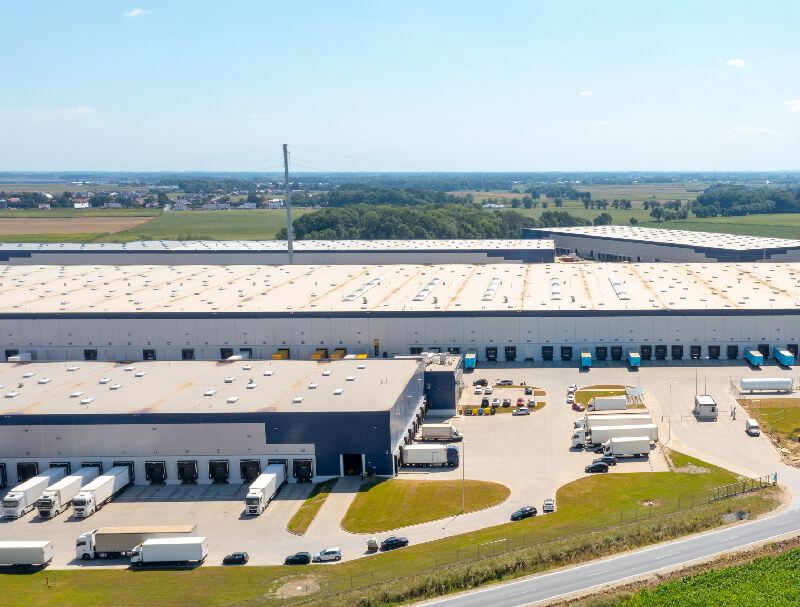
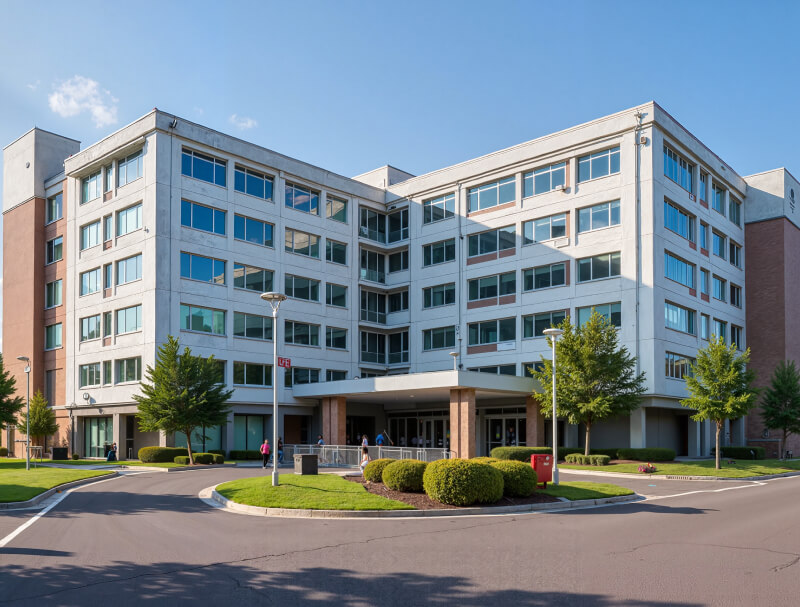
Landscaping is often viewed through the lens of aesthetics; curb appeal, first impressions, and property appearance. But for facilities teams, landscaping plays a much larger operational role. Outdoor environments directly impact safety, infrastructure performance, accessibility, and long-term maintenance costs throughout the year.
A poorly maintained landscape can contribute to trip hazards, blocked drainage systems, erosion, flooding, and even structural damage over time. Many of these issues are seasonal and predictable, but are often overlooked until they become expensive or disruptive problems.
Each season introduces its own set of environmental stressors that can affect the safety and functionality of a property. Understanding those risks, and planning for them proactively, can help facilities teams reduce liability, protect infrastructure, and avoid reactive maintenance cycles.
Here are four seasonal landscaping problems facilities teams should anticipate throughout the year.
1. Spring: Drainage Failures & Water Management Issues
As winter transitions into spring, melting snow and increased rainfall place significant pressure on drainage systems and landscaped areas. If drainage infrastructure hasn’t been properly maintained, spring often quickly exposes underlying weaknesses.
One of the most common problems facilities teams encounter is clogged or overwhelmed drainage systems. Leaves left from the fall, debris, sediment, and ice buildup from winter can block drains and gutters, preventing water from flowing away from buildings and walkways effectively. The result is standing water near entrances, loading zones, sidewalks, and parking lots.
Pooling water creates immediate safety concerns, especially in high-traffic areas where slip hazards become more frequent during wet conditions. But the bigger issue is often what happens beneath the surface. Excess moisture can slowly infiltrate pavement, soil, and foundations, weakening infrastructure over time.
Spring also tends to reveal early signs of erosion. Saturated soil can shift or wash away in landscaped areas, particularly on slopes or around poorly managed runoff zones. Even minor erosion issues can grow quickly if left unaddressed throughout the season.
For facilities teams, spring drainage issues are often an early warning sign. If water isn’t moving properly in March or April, the same areas may struggle even more during heavy summer storms later in the year. Addressing these problems early can help prevent larger infrastructure repairs down the road.
2. Summer: Overgrowth, Drought Stress & Storm Impact
Summer landscaping challenges are often tied to issues that weren’t fully addressed in the spring. Shrubs, trees, and non-mowed areas can quickly become overgrown early in the season, creating maintenance backlogs that are harder to manage as summer progresses. While warmer weather can accelerate growth initially, extreme summer heat and drought conditions often slow vegetation growth and shift the focus toward maintaining landscape health and appearance. Common summer overgrowth risks include:
Summer weather patterns also place additional stress on landscaped environments. Extended periods of drought dry out the soil and reduce its ability to absorb water effectively. When heavy storms arrive after prolonged dry conditions, hardened ground often cannot absorb runoff properly. This can lead to issues such as:
Storm activity creates another layer of seasonal risk. High winds and saturated ground conditions can weaken trees and increase the likelihood of fallen limbs or debris blocking pathways and access points. Facilities with deferred tree maintenance may experience:
Managing summer landscaping conditions requires facilities teams to balance vegetation control, irrigation strategy, drainage oversight, and storm preparedness simultaneously. Without proactive maintenance, relatively small issues can escalate quickly during periods of extreme weather.
3. Fall: Leaf Buildup, Slip Hazards & Hidden Drainage Blockages
Fall often creates one of the most underestimated landscaping challenges for facilities teams: leaf accumulation.
As trees shed leaves rapidly, cleanup efforts can struggle to keep pace, especially on larger properties or campuses with significant tree coverage. While leaves may appear harmless, they can create serious safety and operational issues when left unmanaged.
Wet leaves on sidewalks, entryways, stairs, and parking areas create slippery surfaces that increase the risk of slips and falls. This becomes especially problematic in high foot-traffic areas where moisture and debris accumulate repeatedly throughout the season.
Leaves also commonly block storm drains, catch basins, and gutters. Even partial blockages can significantly reduce drainage capacity during fall rainstorms. Water that cannot drain properly may begin pooling near buildings, curbs, or pedestrian pathways, creating both immediate hazards and longer-term infrastructure concerns.
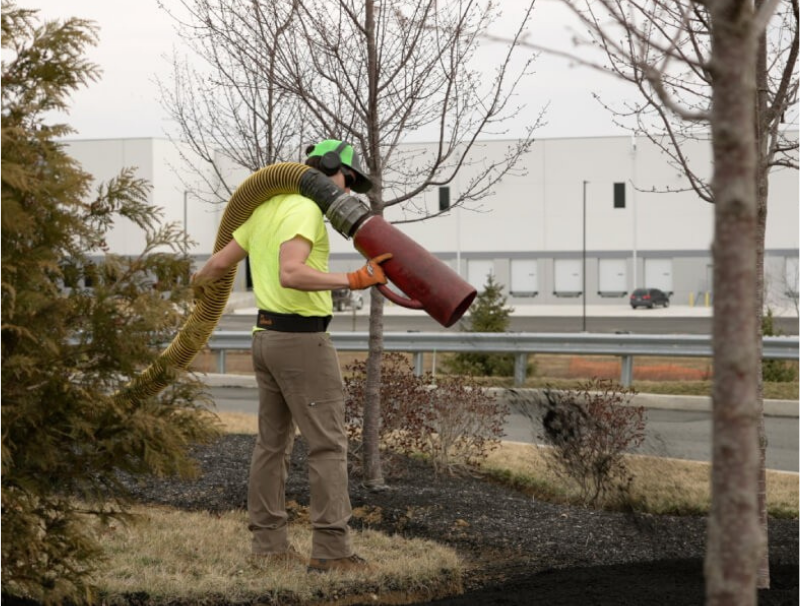
One of the less visible risks of fall buildup is the effect trapped moisture has on soil and turf health. Thick layers of wet leaves prevent sunlight and airflow from reaching grass and landscaped areas, encouraging mold, turf disease, and decay beneath the surface. Over time, this weakens the overall health of the landscape heading into winter.
Poor fall maintenance often creates a domino effect that carries directly into colder months. Blocked drainage systems may freeze during winter, worsening ice formation. Saturated soil becomes more vulnerable to freeze-thaw damage, erosion, and surface instability.
For facilities teams, fall is not simply a cleanup season—it’s a critical preparation period for winter conditions ahead.
4. Winter: Ice, Snow & Pre-Season Tree Vulnerability
Many facilities teams think of winter risk as snow removal, but the real issues often start before the first snowfall.
Ice formation is one of the biggest hazards, especially in areas with poor drainage. Water left behind from fall or early winter precipitation can freeze quickly, creating dangerous conditions across a property. High-risk ice areas include:
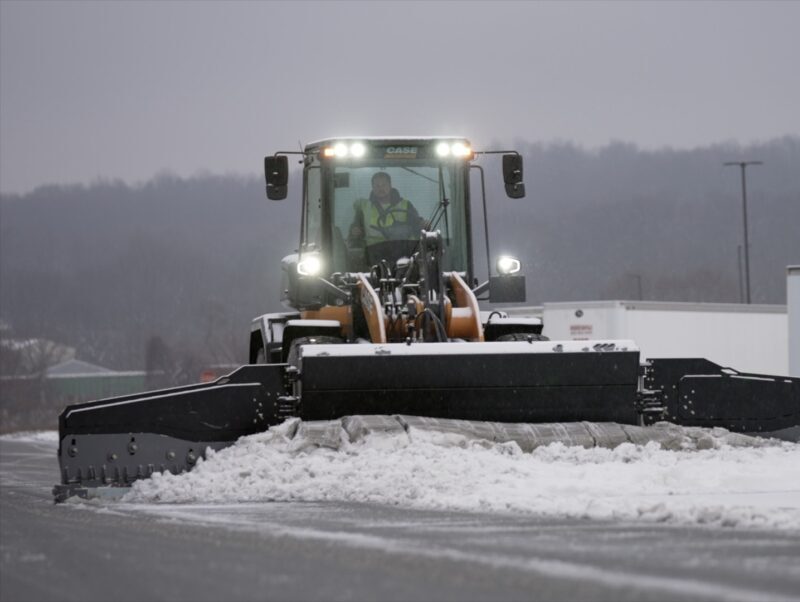
Snow accumulation adds another layer of risk. Without proper planning, it can block access, slow operations, and increase the risk of safety incidents for staff, tenants, and visitors. Key snow-related challenges include:
Trees are another major winter concern. Weak or unpruned branches are far more likely to fail under snow and ice loads, creating hazards across the site. Common tree-related risks are:
Often, winter issues result from problems carried over from earlier seasons, especially poor drainage, soil erosion, or missed pruning.
Conclusion
For facilities teams, proactive planning across all four seasons is often the difference between manageable maintenance and costly reactive repairs. By identifying seasonal vulnerabilities early and maintaining outdoor environments consistently, organizations can better protect both their infrastructure and the people who rely on it every day.
Looking to stay ahead of seasonal landscape issues before they become costly problems? Contact EMI today.