

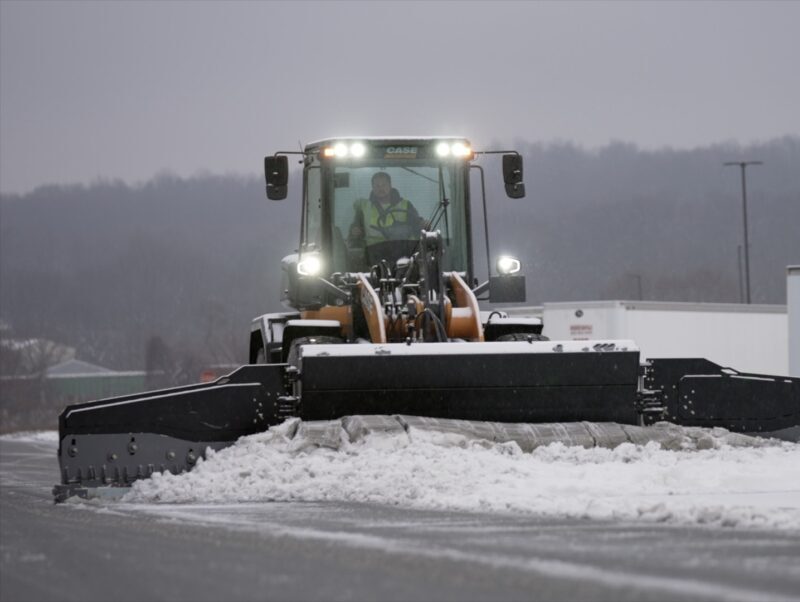


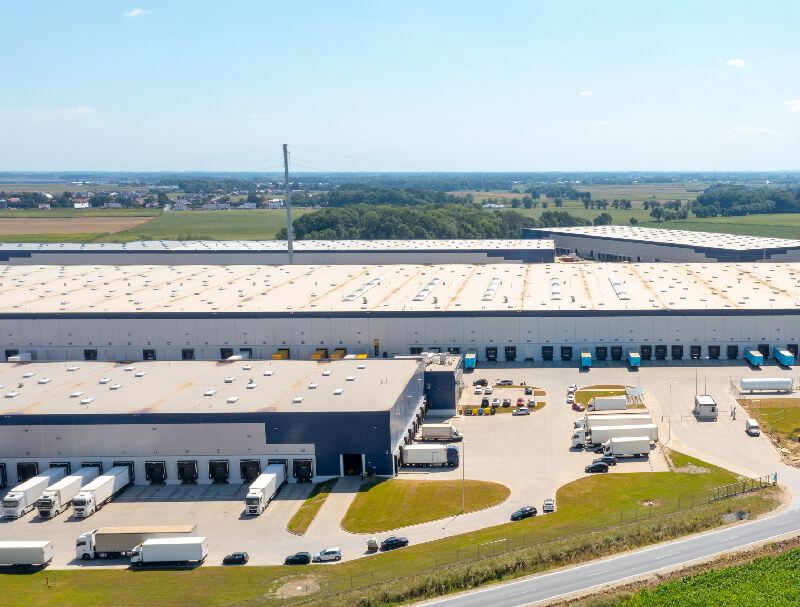

It’s early morning on a Tuesday in January. Eight inches of snow fell overnight, and more is coming. Your parking lot is impassable. The loading dock ramp is a sheet of ice. Your logistics team can’t get in. Your receiving crew won’t arrive until the lot is cleared. Your operations manager is fielding calls from delayed deliveries and vendors who can’t access the site, and you won’t know when normal operations resume until the snow stops and cleanup crews can get in.
This scenario plays out at facilities across the Northeast and Midwest every winter. Most facility managers treat it as a seasonal inevitability; something to manage until conditions improve. In reality, it exposes a critical gap in how grounds maintenance is planned and prepared.
Exterior conditions drive more than aesthetics. A flooded parking lot blocks deliveries. Ice on a loading dock creates liability. These issues ripple through your entire facility through compounding costs, creating safety gaps, and disrupting the operations you’re trying to protect.
For facilities managing multiple locations, consistency adds another layer of complexity. You need the same level of operational reliability across every site.
Zero-downtime grounds management prevents these disruptions by keeping exterior environments functional year-round. Instead of reacting after something breaks, proactive maintenance ensures that access, drainage, and safety work are completed before operations feel the impact.
Exterior Conditions Drive Real Operational Risk
Facility access points function as infrastructure. They control the flow of people, vehicles, and deliveries in and out of your building. When outdoor areas fail, operations inside slow down.
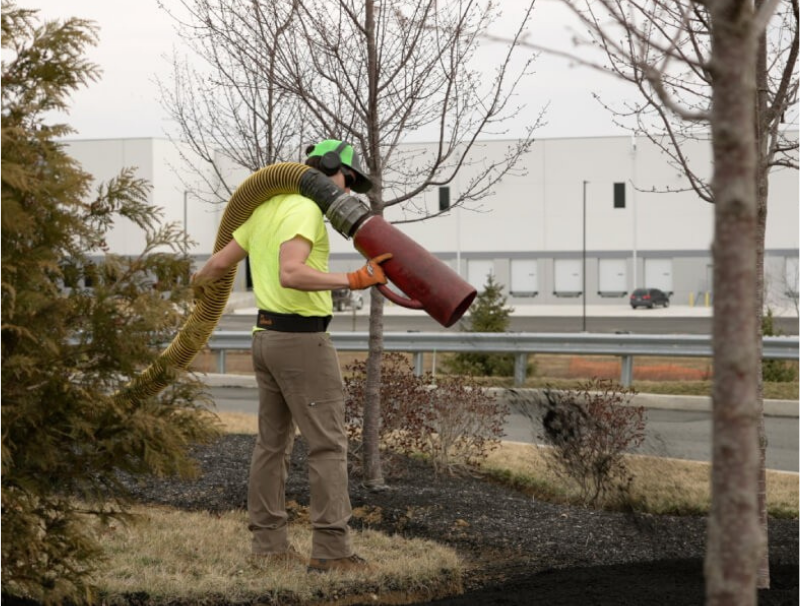
The impact is immediate and measurable. Your loading dock floods during heavy rain, so deliveries stack up or get rerouted. Parking circulation becomes chaotic because drainage isn’t keeping up. Pedestrian walkways become unsafe after freeze-thaw cycles, so employees take longer routes or avoid certain areas altogether. An icy ramp forces your receiving team to work more slowly to avoid falls. Overgrown vegetation blocks sightlines at access points, creating safety gaps.
These disruptions cascade. A 30-minute delivery delay compounds across the week. A logistics team working around poor site conditions becomes less efficient. An unsafe condition creates liability that extends far beyond the grounds.
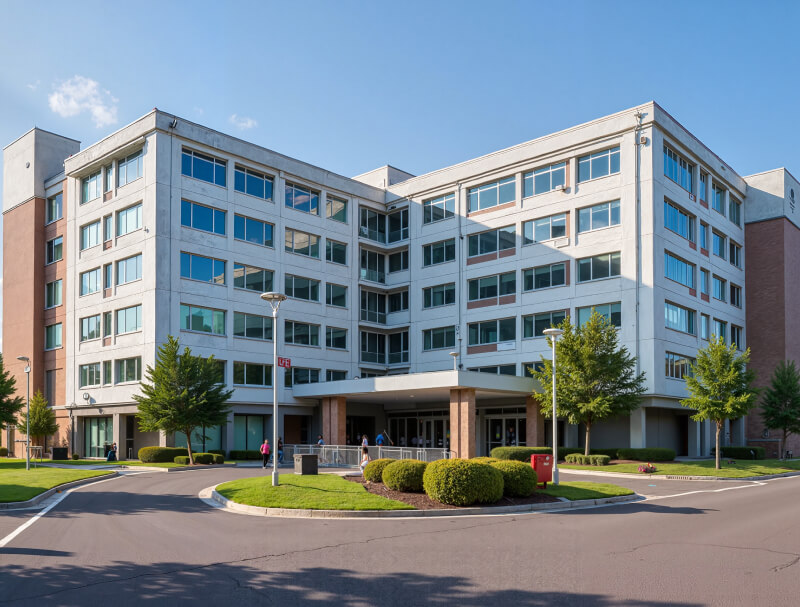
The stakes are higher for facilities that operate 24/7. A hospital, data center, or manufacturing plant can’t pause operations because the exterior infrastructure isn’t ready. Maintenance has to happen without disrupting what’s already running.
READ MORE: How to Select the Best Snow Contractor: A Guide for Commercial Property Managers
Where Downtime Actually Originates
Exterior problems usually fall into three categories, and each requires a different approach.
The common thread is that these failures are avoidable when you see them coming.
What Proactive Grounds Management Actually Prevents
The benefits of proactive management go beyond aesthetics. They directly affect your bottom line and operational stability.
A well-maintained site doesn’t accumulate hazards. Walkways stay clear and safe, and vegetation doesn’t create blind spots. You’re not racing to fix a fall injury or manage water damage. You reduce safety risks and liability exposure simply by preventing conditions that create them.
Consistent access means your logistics team moves freely, your receiving crew arrives on schedule, and your operations run without friction.
Maintenance can also be planned and scheduled. You’re not discovering a drainage problem mid-morning when operations are at full speed.
You’re not reacting to an ice event that should have been anticipated. When you operate from a calendar rather than a crisis, disruptions become rare rather than routine.
For facilities that operate 24/7, the need for functional access routes never stops. If your facility never closes, neither does your grounds management. Proactive management schedules work around your operational windows, not against them. For example, a hospital can’t pause operations for maintenance, and a data center has no downtime windows. Grounds work happens when it won’t interrupt what’s already running.
These benefits compound. The difference between operations running smoothly and operations managing constant friction comes down to whether your grounds management works for your facility or against it.
READ MORE: EMI Landscape prepares for the snow season in the Lehigh Valley
How Zero-Downtime Grounds Management is Executed
Zero-downtime requires seeing problems before they disrupt your operations. It’s about foresight, not a panic response.
With this execution, you’re operating from knowledge and planning, not from crisis management.
Keeping Your Facility and Portfolio Running
Zero-downtime grounds management is ultimately about operational continuity. Your building can’t run better than its access points allow. Delivery flows depend on clear routes. Safety depends on maintained surfaces and drainage. Emergency response depends on unobstructed corridors.
Exterior corridors are as fundamental to facility operations as indoor areas. When ground maintenance is built on prevention and strategic response, your facility stays fully operational no matter the season or conditions.
EMI manages grounds for logistics hubs, hospitals, data centers, and corporate facilities across the Lehigh Valley and Eastern Pennsylvania—from single sites to multi-site portfolios. If exterior conditions are impacting your operations, let’s talk.