



Landscape problems rarely announce themselves. A tree that looks a little stressed in April. A low spot in the lawn that stays wet a little too long after a storm. A planting bed that’s gone from lush to patchy over the course of a season. On their own, none of these seem urgent; and that’s exactly the problem.
For commercial property owners and facility managers, deferred landscape maintenance has a way of quietly compounding. What starts as a cosmetic issue becomes a structural one. What could have been addressed during a routine visit turns into an emergency call. And the costs — financial, operational, and reputational — tend to arrive all at once.
Here’s what poor landscape health actually costs commercial properties over time, and why proactive management is the smarter long-term investment.
Poor Landscape Health Leads to Costly Property Damage
Small Problems Have a Way of Getting Expensive
The most common mistake commercial property owners make is treating landscape maintenance as an aesthetic budget item rather than a preventative one. But the consequences of neglect are just as structural as they are visual.
Dying or structurally compromised trees are one of the clearest examples. A tree in decline doesn’t fall on a schedule. It falls during a storm, or on a calm, blustery afternoon, without warning. Emergency tree removal costs significantly more than planned removal, and that’s before accounting for any damage to hardscape, parked vehicles, or adjacent structures. Hazard tree assessment is one of the most overlooked components of a comprehensive grounds maintenance program, and one of the most valuable.
Drainage issues follow a similar pattern. Poor grading and drainage management lead to standing water, which accelerates erosion, undermines hardscape, and creates conditions that are difficult and expensive to reverse. Retaining walls shift, pavement cracks, and soil drifts to where it shouldn’t. These are predictable results of drainage problems that weren’t addressed early enough.
Neglected plant material is another area where the economics clearly favor prevention. Plants that are diseased or under-maintained are harder to restore than to replace. Once a planting bed reaches a certain point of decline, the answer is a full reinstallation. That’s a cost that regular monitoring and seasonal care could often prevent entirely.
Preventative Maintenance Costs Less Than Reactive Fixes
The return on investment for proactive landscape management is straightforward: regular inspections catch problems when they’re still small. A diseased tree can be treated or safely removed before it becomes a hazard. A drainage issue can be corrected before it undermines your parking lot. A struggling planting bed can be rehabilitated rather than replaced.
Early intervention extends the useful life of landscape assets, protects your hardscape investment, and keeps costly emergencies off your calendar.
RELATED: 4 Seasonal Landscaping Risks Facilities Teams Should Anticipate
Landscape Decline Affects How Your Property Is Perceived
Landscaping Is The First Thing People Notice
Before a tenant renews their lease, before a client walks through the front door, before a prospective employee decides how they feel about the company they’re about to interview with; they’ve already seen your landscape.
Curb appeal shapes perception faster than almost anything else about a commercial property. Overgrown shrubs, patchy turf, and neglected entry plantings send a clear signal: this property isn’t being cared for. That impression is hard to walk back on once it’s formed.
A Healthy Landscape Reflects a Well-Managed Property
The inverse is equally true. A well-maintained landscape communicates professionalism, attention to detail, and operational competence before anyone steps inside.
For multi-tenant properties, landscape health is directly tied to tenant satisfaction and retention. Tenants notice when the property looks great, and they notice more when it doesn’t. For corporate campuses and office parks, the outdoor environment shapes the daily experience of employees and visitors, influencing morale, productivity, and brand perception.
A healthy, well-managed landscape is part of how your property competes.
Neglected Landscapes Create Safety and Operational Risks
It’s Not Just an Appearance Issue
Landscape problems that go unaddressed long enough stop being aesthetic concerns and become operational ones. Overgrown vegetation can obstruct signage, reduce visibility at entrances and intersections, and create security blind spots. Encroaching plant material along walkways creates accessibility issues that may violate ADA requirements.
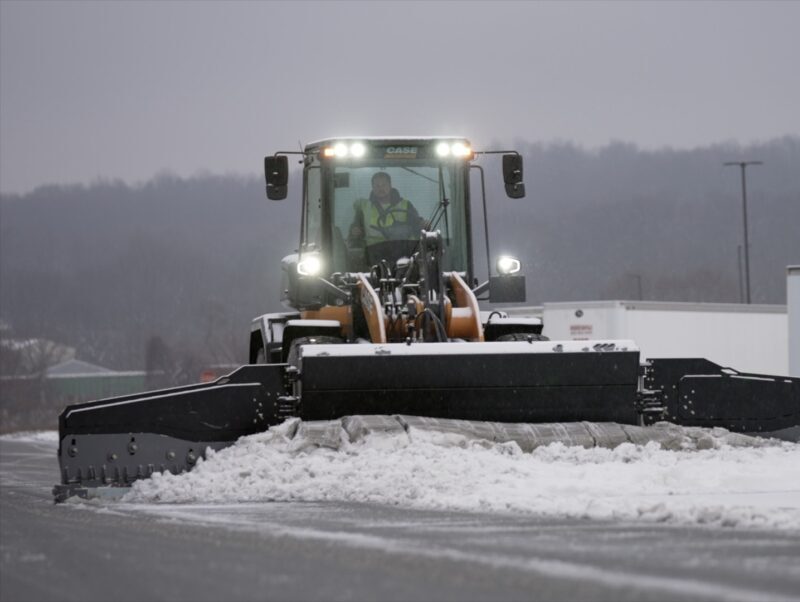
Storm damage risk is significantly higher on properties where tree health hasn’t been actively managed. Weak branch structure, root problems, and compromised canopy don’t hold up well under high winds or heavy snow and ice loads. A proactive winter services and year-round grounds program reduces that risk considerably.
Drainage problems that create standing water are a slip hazard and a liability. Ice formation in low spots, flooded walkways, and compromised pavement all represent real risk exposure for property owners and managers.
Landscape Health Supports Long-Term Site Performance
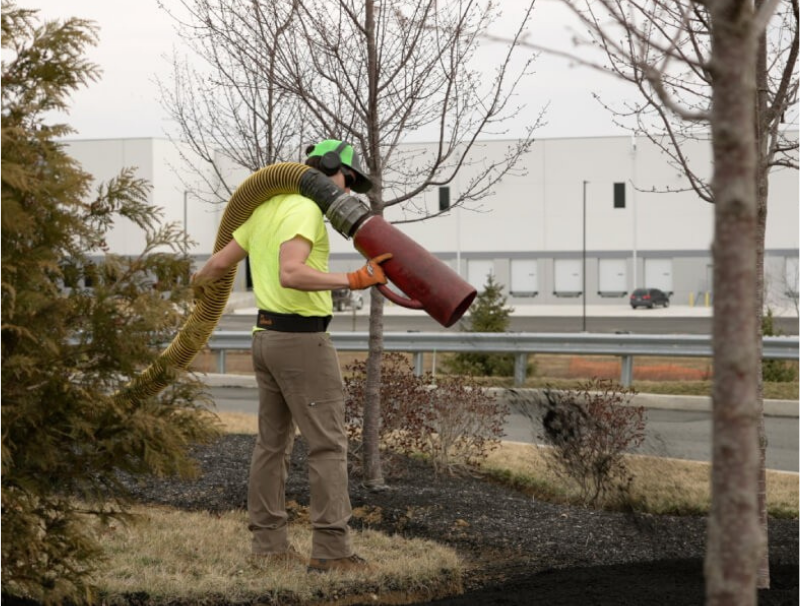
Healthy trees and well-maintained plantings are more resilient. They weather storms better, recover faster, and contribute to site stability in ways that poorly maintained landscapes simply can’t. Strategic grounds management — pruning, soil health, irrigation management, proactive pest and disease monitoring — keeps your landscape performing as an asset rather than accumulating as a liability.
Over time, properties with consistently well-managed grounds maintain higher value, attract better tenants, and incur fewer emergency remediation costs. The math is straightforward.
The Bottom Line
Poor landscape health affects more than how a property looks. It drives up long-term maintenance costs, creates safety exposure, reduces tenant and visitor satisfaction, and diminishes the professional image your property is meant to project.
Luckily, most of these outcomes are preventable. A proactive, year-round approach to landscape management keeps small problems from becoming expensive ones.
A healthy landscape is an investment in your property’s long-term success.Discover how proactive landscape management can help protect your site, your budget, and your reputation. Contact EMI today.