

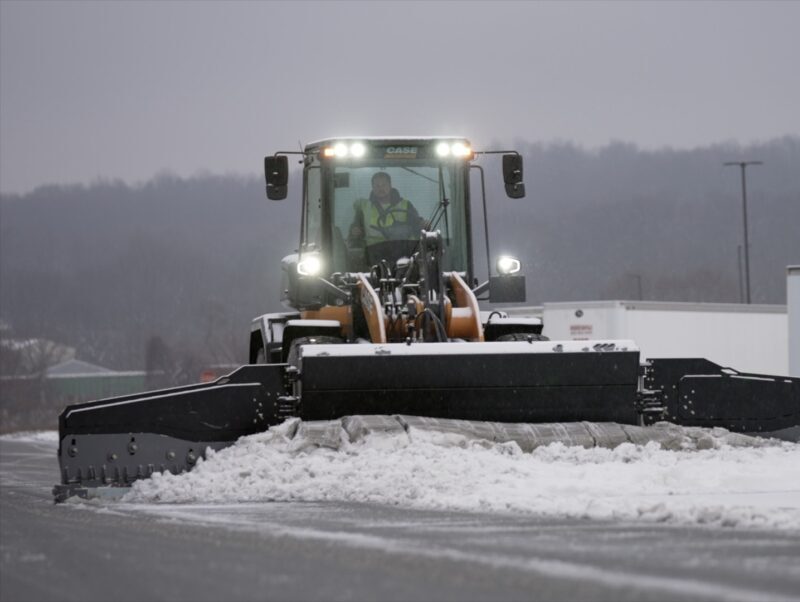





Most snow removal contractors are built to react.
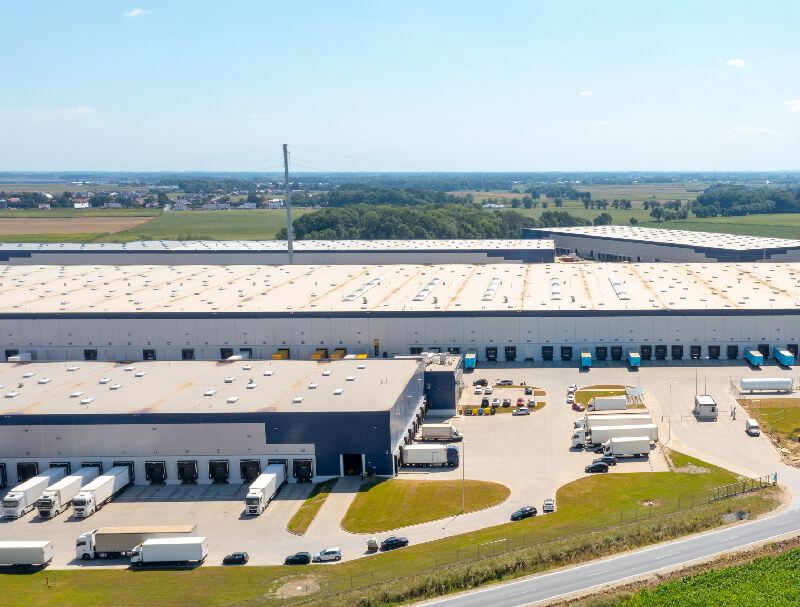
A storm rolls in, crews mobilize, and the plows hit the lot. For a single-tenant retail strip, that model might be fine. For a distribution center that runs three shifts, a healthcare campus that can’t afford a blocked entrance, or a multi-tenant office park with hundreds of daily commuters, reactive snow management is a liability.
If you’re responsible for keeping a commercial property safe and operational through winter, here’s what you actually need to know before the season starts.
01 Snow Removal Is a Risk Management Strategy
The stakes of getting winter services wrong are more than just cosmetic. For mission-critical facilities, a poorly executed storm response can lead to operational disruptions, delayed shipments, and real safety risks for everyone who walks or drives onto your property.
Think about what’s actually on the line:
- Employees and visitors navigating icy sidewalks and parking lots
- Delivery and service vehicles unable to access loading docks or entrances
- Tenants and customers forming lasting impressions based on how your property performs under pressure
- Liability claims stemming from a slip, a fall, or an accident that a faster response could have prevented
That last point matters more than people realize. Slip-and-fall incidents are among the most common premises liability claims, and a property that’s slow to respond after a storm has little defense when the documentation shows it. Snow and ice management is a direct extension of how you manage operational and legal risk.
02 Zero Downtime Starts Before the Storm
Here’s the part that separates a vendor from a true partner: the work that happens during summer months, long before a single flake falls.
Site Assessment and Operational Planning
An experienced snow removal partner doesn’t show up on the first icy morning and figure it out. They’ve already walked your property. They know where water pools and refreezes overnight, which entrances are the highest priority, where equipment needs to be staged to avoid blocking traffic flow, and how your operations differ at 6 a.m. versus 6 p.m.
That kind of proactive site planning is the difference between a team that’s executing a plan and a crew that’s improvising one. Pre-season assessments establish response protocols, define priority areas, and create a communication framework so you’re not chasing down a status update in the middle of a nor’easter.
Equipment Readiness and Material Staging
Equipment failures during a major storm are a contract violation waiting to happen. Quality contractors maintain their fleets year-round and conduct pre-season inspections well in advance of winter. Salt and de-icing materials are sourced and staged early, not scrambled for after the first forecast.
This matters because de-icing materials can go into short supply during high-demand periods. Contractors who haven’t planned ahead often overcompensate with excessive applications, which cost you more, damage pavement over time, and raise environmental concerns.
Crew Training and Weather Monitoring
A well-maintained truck is only as good as the person behind the wheel. Trained crews understand how to work efficiently under changing conditions, how to prioritize when a storm escalates faster than expected, and how to document their work in a way that protects your property from liability exposure.
Ongoing weather monitoring (not just checking the forecast the night before) allows a prepared contractor to mobilize pre-treatment and early response before accumulation begins. That head start is often what keeps a facility operational through the worst of a storm.
03 The Hidden Costs of Low-Bid Snow Contracts
If you’ve been in facilities management for more than a few winters, you’ve probably seen this play out: a property switches to the lowest bidder, saves money on paper in October, and then spends November through March dealing with the consequences.
What Reactive Service Models Actually Cost
Low-bid contractors frequently run reactive service models. They’re waiting until there’s enough accumulation to justify the trip. That reactive posture translates directly into longer exposure windows for ice, greater operational disruption, and a higher likelihood of incidents.
They may also be stretched thin. During a major regional storm, the contractors who underbid to win volume accounts are often the ones with the most properties and the least capacity. Service gaps are common. Communication is inconsistent. You spend time you don’t have trying to get a status update.
Total Cost of Ownership
The real cost of a low-bid snow contract is everything that an invoice doesn’t account for:
- Downtime and lost productivity when employees can’t safely access the building
- Increased liability exposure from delayed response and incomplete documentation
- Deferred infrastructure damage from improper plowing, excessive salt use, and equipment dragged across pavement and curbing
- Over-application of salt and other materials, often used to catch up after delayed service or to offset tight margins in low-bid contracts, leading to higher long-term surface and landscape damage
- Tenant and employee dissatisfaction that erodes the professional image your property is meant to project
When you add those up against the modest savings on a low-bid contract, the math rarely holds up.
04 What to Look for in a Snow Removal Partner
Not every contractor that puts a plow on a truck is a commercial snow removal partner. The distinction is in the detail and the planning.
Before you sign a contract, ask:
- What does your pre-season preparation look like? You want specifics, like site assessments, crew certifications, equipment inspections, and material sourcing.
- How do you handle staffing during major events? Understand whether they have backup crews and subcontractor relationships in place, or if they’re figuring them out during the storm.
- How do you communicate with clients during active weather? Look for defined notification protocols, not a promise to “keep you in the loop.”
- How do you prioritize critical access areas? A contractor who knows your property can answer this immediately. One who hasn’t planned ahead cannot.
- What measures do you take to reduce long-term costs and property damage? Responsible deicing practices, application documentation, and equipment protocols matter here.
The answers to those questions tell you whether you’re looking at a vendor or a partner. A true operational partner is planning for your winter right now, not the night before the first forecast.
05 The Bottom Line
Zero downtime during a winter storm isn’t luck. It’s the result of planning that starts months earlier, with site assessments, equipment readiness, trained crews, and communication protocols already in place when the weather turns.
The lowest bid often creates the highest long-term cost. Proactive planning, trained crews, and continuous execution protect your operations, your people, and your property all season long. Snow and ice management is a year-round business continuity strategy.
Don't wait for the first snowfall.
Learn how EMI helps commercial properties stay safe, accessible, and operational throughout the winter season.
Talk to us