



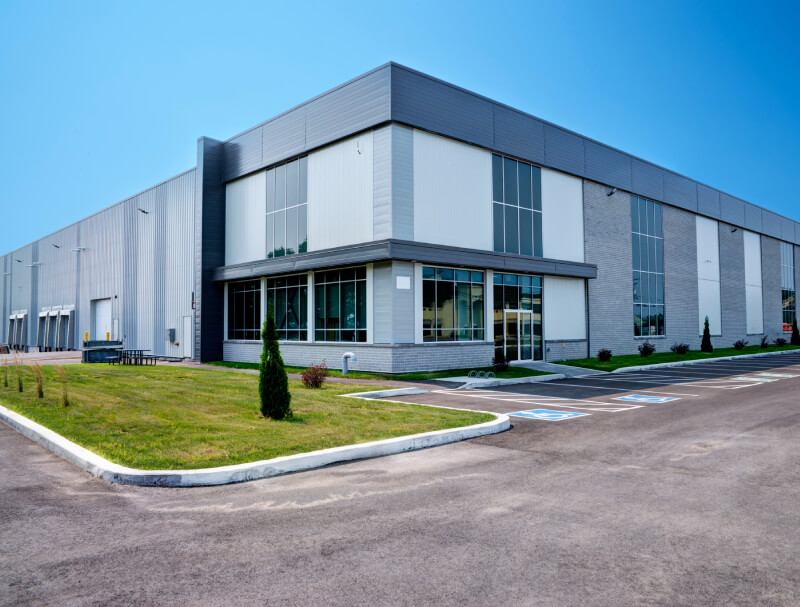
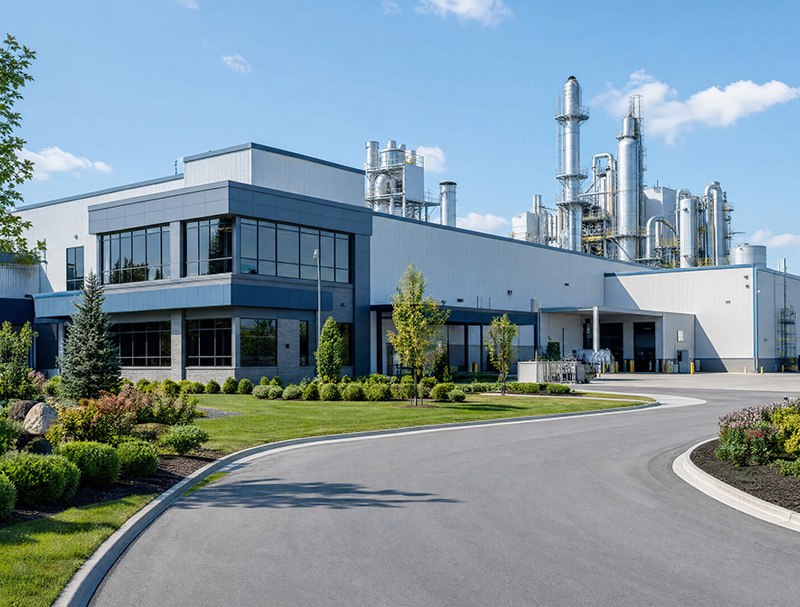

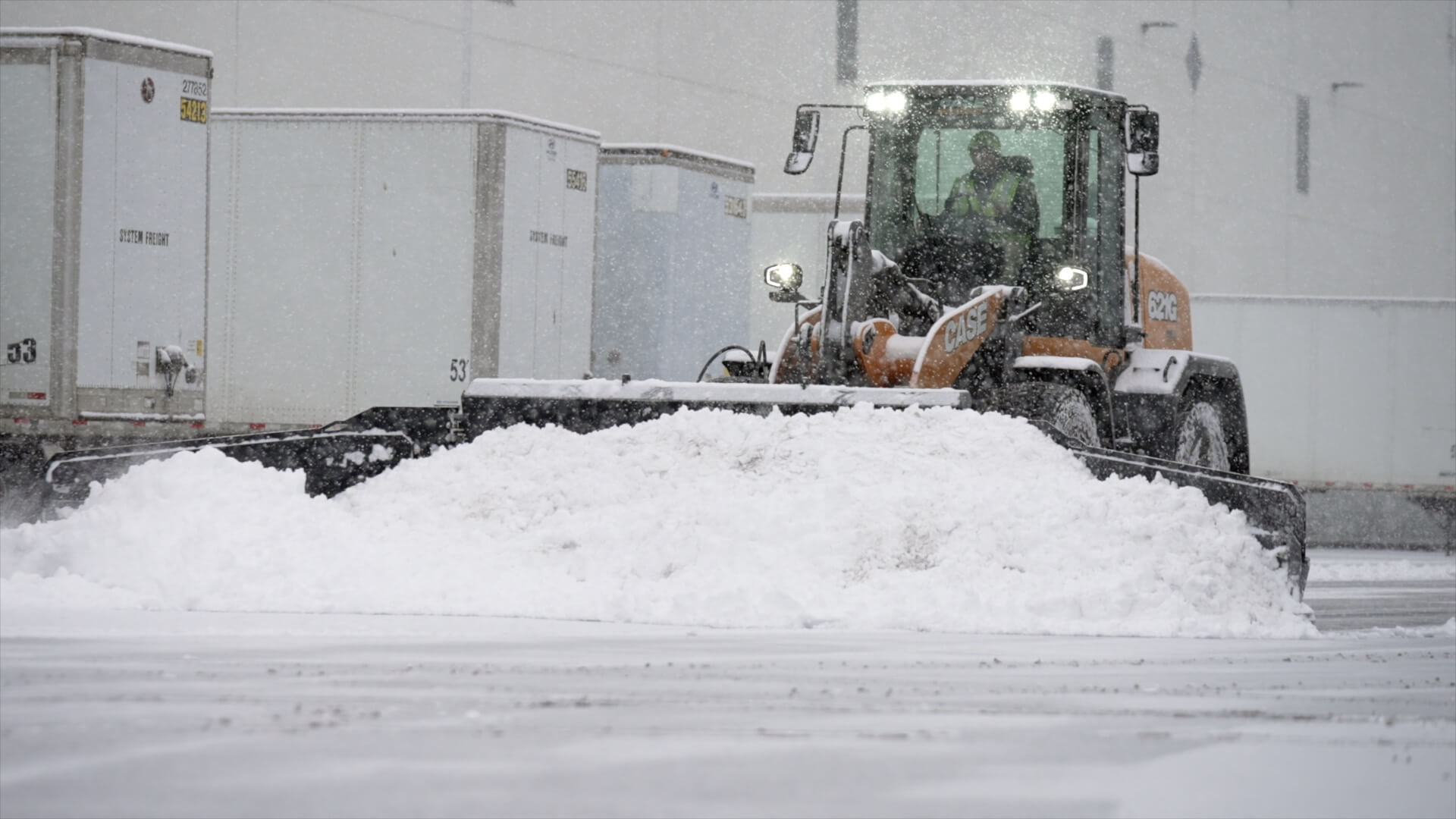
For facilities that never close, keeping operations going with zero or no downtime is imperative. Distribution centers need to continue loading trucks at 3 a.m. Hospitals need clear entrances around the clock. Data centers can’t afford a blocked access road, ever.
So when a snow and ice management contractor advertises “24/7 coverage,” what does that actually promise? For many facility managers, the assumption is simple: someone will answer the phone no matter when a storm hits. But answering a call and actually keeping a property functional through a storm are two very different things.
True 24/7 snow coverage is about what a provider does before the snow starts falling, while it’s still coming down, and after it stops. The gap between those two definitions can mean the difference between a property that keeps running and one that grinds to a halt.
RELATED: What Facility Managers Need to Know About Commercial Snow Removal
Why Some Facilities Can’t Afford Snow-Related Downtime
Not every property feels the effects of a storm the same way. For some, a blocked lot is an inconvenience. For others, it’s a direct hit to operations, safety, or revenue.
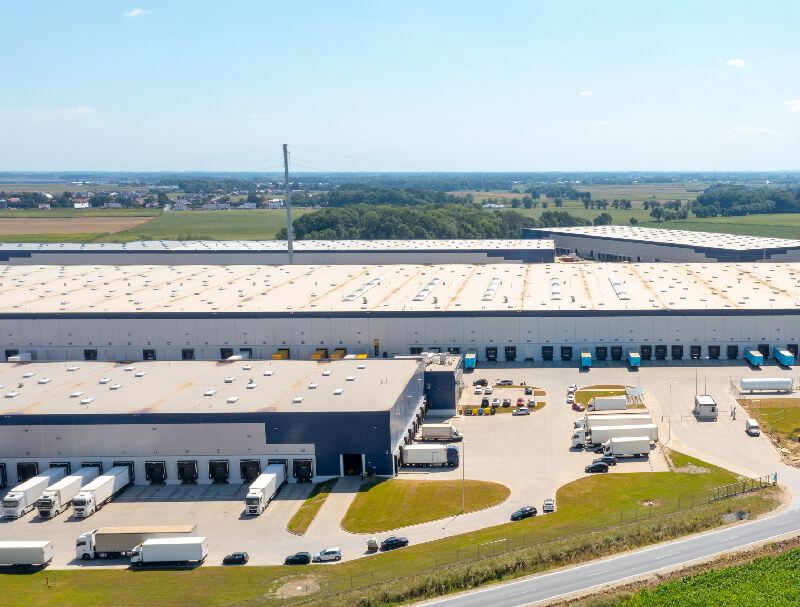
- Distribution centers and logistics hubs rely on clear loading docks and truck lanes to keep freight moving on schedule.
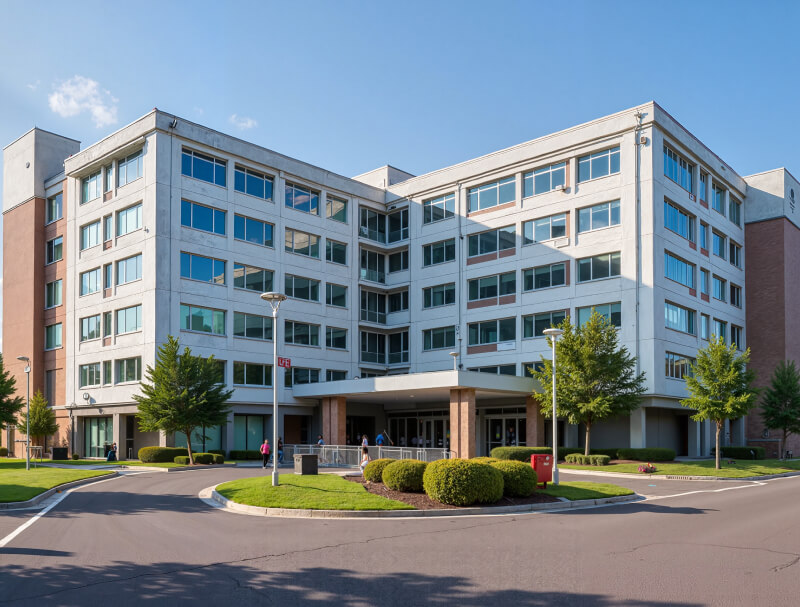
- Hospitals and healthcare campuses need accessible entrances and parking for patients, staff, and emergency vehicles at all hours.
- Data centers and technology facilities can’t risk delayed access for technicians responding to critical systems.
- Manufacturing plants depend on uninterrupted shift changes and material deliveries.
- Corporate campuses with round-the-clock operations need consistent access regardless of when a shift starts or ends.
For these properties, exterior conditions are essential to business continuity, employee safety, customer access, and day-to-day efficiency. A few inches of untreated snow can ripple through an entire operation.
What Most People Think 24/7 Coverage Means
Ask most facility managers to picture “24/7 snow coverage,” and they’ll describe something reactive: a contractor who’s reachable when a storm rolls in, teams dispatched once snow starts piling up, service triggered by a phone call or a service request.
This model isn’t wrong, exactly. It’s just incomplete. Waiting until accumulation begins to mobilize a team means the response is already behind the storm. And once a provider is playing catch-up, delays and bottlenecks tend to follow.
Reactive coverage answers the phone. It doesn’t necessarily keep a property open.
What True 24/7 Snow Coverage Actually Looks Like
Continuous Weather Monitoring
Real coverage starts with watching the sky, not waiting for it to fall. That means tracking weather intelligence and forecasting data, monitoring how conditions shift before, during, and after a storm, and flagging risks before they ever touch daily operations. A provider who’s paying attention to a forecast three days out has time to plan. One who’s waiting for the first flakes doesn’t.
Proactive Storm Preparation
Preparation happens well before the first snowflake lands. Teams and equipment get pre-positioned near the properties they’ll serve. Anti-icing treatments go down ahead of precipitation, so surfaces resist bonding in the first place. And facility teams get looped in ahead of major weather events, so nobody is caught off guard when conditions change.
Around-the-Clock Response During Storms
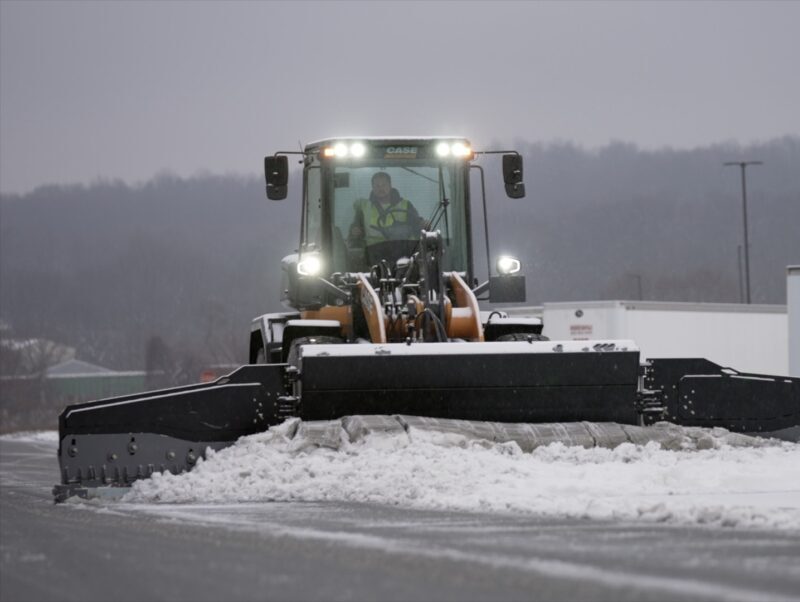
Storms don’t pause for shift changes, and neither should the response. Teams stay on through the full duration of an event, working to maintain access while snow is still falling rather than waiting for it to stop. That “wait until the storm ends” approach might work for a property that can close for a day. It doesn’t work for one that can’t, like an emergency department.
Priority-Based Service Plans
Not every square foot of a property carries the same weight during a storm. Effective coverage identifies the areas that matter most to operations and services them first: loading docks, entrances, emergency access routes, truck lanes, and pedestrian walkways. Business-critical areas get attention before anything else, because that’s where downtime actually costs money or puts people at risk.
The Difference Between Snow Removal and Operational Continuity
Clearing snow is only part of the job. The real goal is keeping a facility functional and accessible the entire time, not just tidy once the storm has passed.
Untreated snow and ice create problems that go well beyond curb appeal:
- Delayed deliveries that back up schedules for days
- Employees who can’t get in, or get in late
- Emergency vehicles blocked from reaching where they need to go
- Increased slip-and-fall risk for staff, visitors, and customers
- Lost productivity across an entire shift or facility
A contractor focused only on removal treats the storm as the finish line, but a partner focused on continuity treats the storm as one part of keeping a business running. For facilities managing more than one location, this continuity has to hold across every site, not just the one getting the most attention. That’s the same challenge we dig into in multi-site landscaping and snow management.
RELATED: 4 Seasonal Landscaping Risks Facilities Teams Should Anticipate
Questions Facility Managers Should Ask About “24/7 Coverage”
Before signing with any snow management provider, it’s worth pressing past the marketing language. A few questions can reveal whether “24/7” means what a facility actually needs it to mean:
- Do teams mobilize before storms begin, or only after accumulation starts?
- How are priority areas identified and serviced?
- Is weather monitored continuously, or checked once a storm is already underway?
- How are overnight and weekend storms handled?
- What equipment is dedicated specifically to this property?
- How is communication managed during major weather events?
The answers separate providers who are simply available from providers who are actually prepared.
Final Thoughts
For facilities that operate around the clock, snow management is about maintaining safe access, protecting operations, and ensuring business continuity before, during, and after every weather event. True 24/7 snow coverage combines planning, monitoring, proactive treatment, and continuous response to keep commercial properties running no matter what winter brings.
Need a snow management partner that works around your schedule, not the weather? EMI delivers proactive, zero-downtime snow and ice management for commercial properties across Eastern Pennsylvania. Contact us today.