




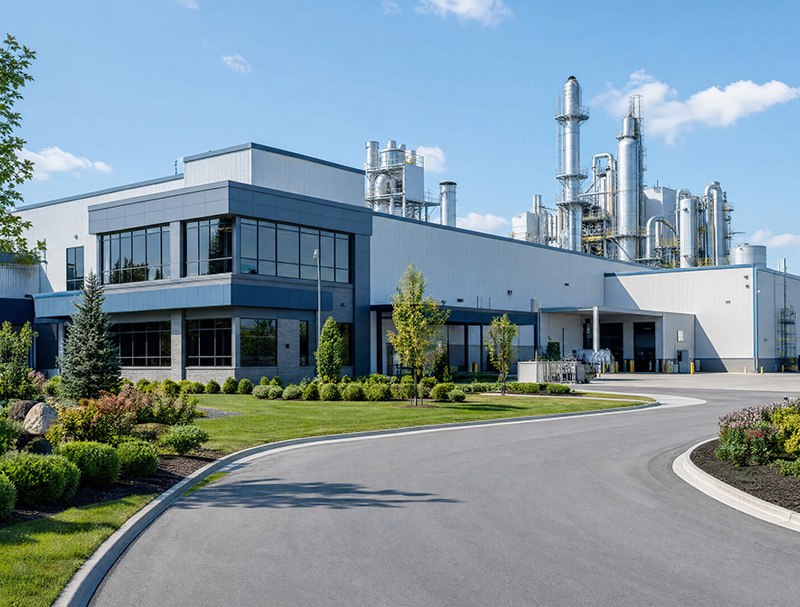

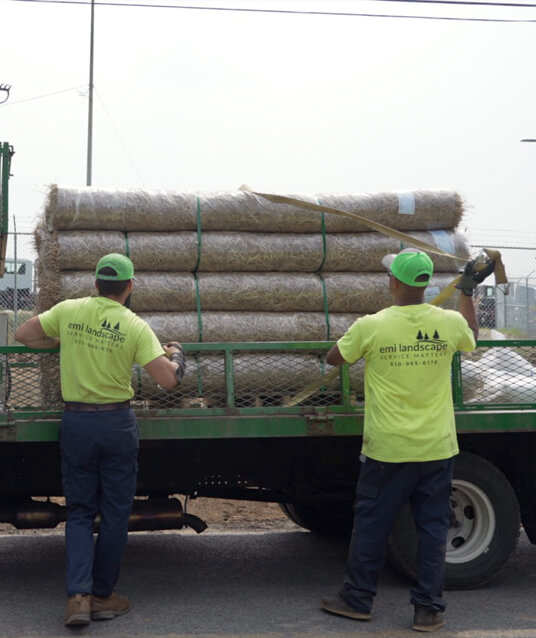
Great grounds management has a unique quality: when it’s working, nobody notices at all. The lawns are mowed, the walkways are clear, the parking lot is plowed before the next shift arrives, and life goes on. Only when something goes wrong does exterior maintenance get anyone’s attention.
But for facilities that can’t afford to shut down, like distribution centers, hospitals, manufacturing plants, and corporate campuses, what happens outside the building has a direct line to what happens inside it. Landscaping, snow and ice management, and site services are part of what keeps a facility safe, accessible, and operational.
That’s the idea behind zero-downtime grounds operations: an approach to exterior property management built specifically for facilities where interruptions aren’t an option.
Why Grounds Operations Matter More Than Most People Realize
It’s easy to think of grounds work as just landscaping, something that affects curb appeal and not much else. In reality, the condition of the property’s exterior touches nearly every part of daily operations.
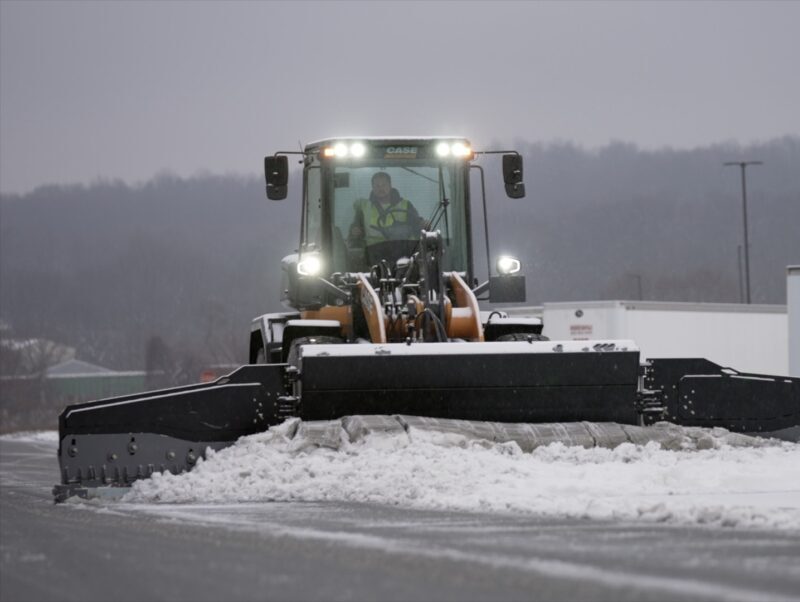
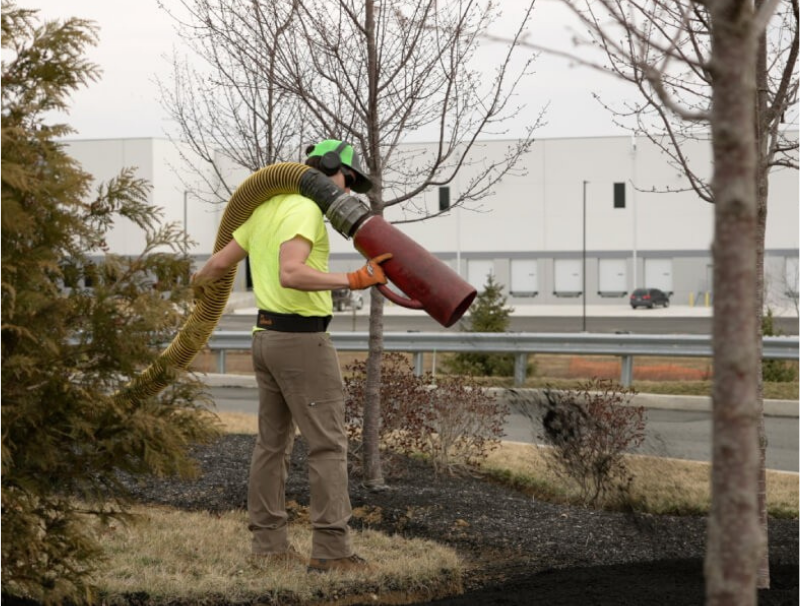
For example, overgrown trees and bushes can block sightlines and security cameras, while an unplowed lot or icy patches can keep employees, delivery trucks, and emergency vehicles from getting where they need to go. These winter issues are serious enough that OSHA maintains specific guidance on winter walkway and parking lot safety. But none of these are landscaping problems in the traditional sense; instead, they’re operational and safety problems that happen to live outside the building’s walls.
Maintaining access, visibility, and functionality across an entire property is what keeps things running smoothly. Simply put, uptime starts outside the building, long before it becomes a problem inside.
RELATED: 4 Seasonal Landscaping Risks Facilities Teams Should Anticipate
The Challenges of Managing Mission-Critical Properties
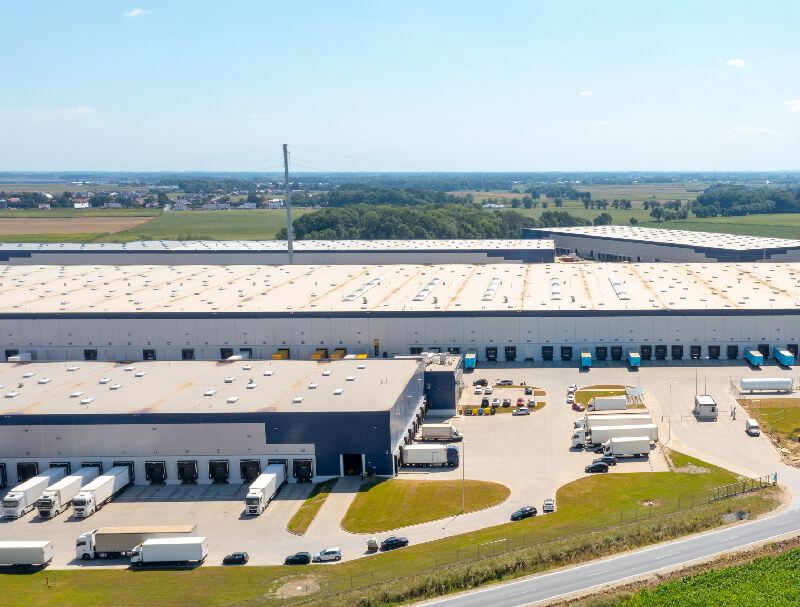
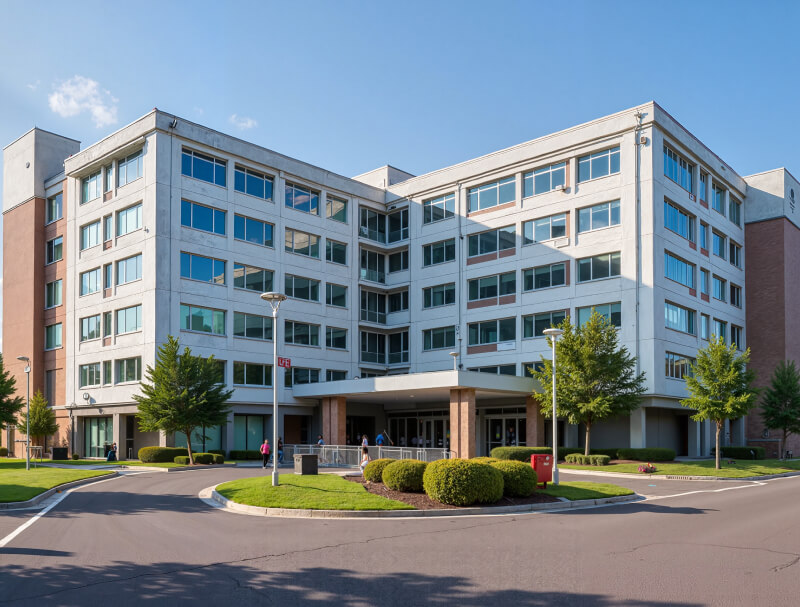
Not every property carries the same stakes. A healthcare facility, a logistics or distribution center, a manufacturing plant, a data center, or a corporate campus each has its own definition of “can’t afford downtime,” but they share a common thread: they often operate around the clock, and their exterior grounds have to keep up.
A distribution center can’t have a flooded dock during a busy loading shift. A hospital can’t have an icy ambulance bay. These properties don’t get to pause operations while a grounds issue gets sorted out, which means the standard for their grounds partner has to be higher than routine maintenance.
What Zero-Downtime Grounds Operations Really Involve
Zero-downtime is a way of structuring response and work for grounds management. It comes down to three pillars: planning ahead, watching closely, and delivering services in a coordinated way.
Proactive Planning
It begins with a real site assessment, which includes a property-specific maintenance plan that identifies critical access points and operational priorities unique to that facility.
From there, planning extends across the calendar: allocating resources seasonally and preparing for both predictable events (winter storms or spring growth) and the unexpected (an autumn blizzard or late winter hailstorm).
Continuous Site Monitoring
Plans only work if someone is watching how the property actually behaves. Where does water tend to pool? What areas have the most foot traffic? Does this change during different seasons or weather conditions?
Routine inspections and ongoing evaluations need to catch small issues, like drainage problems, a cracked walkway, or an overgrown sightline, before they become disruptions. Teams also need to pay attention to seasonal changes and weather impacts as they unfold, not after the fact.
Coordinated Service Delivery
Most properties need more than one type of service (landscaping, snow and ice management, and general site upkeep), and those services need to work together rather than operate as separate vendors with separate schedules.
For portfolios spanning multiple locations, that coordination becomes even more important, which is why multi-site grounds management is treated as its own discipline rather than an extension of single-site work. A unified strategy means maintenance activities are aligned with how the facility actually runs, minimizing disruption to employees, visitors, and daily workflows.
RELATED: How Zero-Downtime Grounds Management Keeps Facilities Fully Operational
The People Behind Zero-Downtime Operations
Plans and schedules only go so far. Zero-downtime ground operations depend on skilled teams to execute them.
Experienced Field Teams
Skilled teams who know how to identify and address issues quickly make the difference between a minor fix and a major disruption.
Consistency and attention to detail matter here, and so does local knowledge, since teams familiar with the region’s weather patterns and terrain can anticipate problems others might miss.
Production and Account Managers
Behind every field team is someone providing oversight, communication, and quality assurance.
Production and account managers coordinate resources across properties and service lines, essentially acting as an extension of the facility management team rather than an outside vendor checking in occasionally.
Specialized Equipment and Resources
None of this works without the right equipment ready to go.
Fleet management and equipment readiness means that when conditions change, the resources are already in place. That kind of reliability is an investment that pays off directly in a client’s peace of mind.
RELATED: How the Right People Make a Zero Downtime Property Possible
Why the Right Grounds Partner Makes a Difference
The gap between a proactive grounds partner and a reactive one shows up exactly when it matters most. A reactive approach responds after something has already gone wrong. A proactive approach is built to prevent that call from ever needing to happen.
The right partner aligns ground services with a facility’s actual operational goals, builds a long-term strategy around property performance and reliability, and treats grounds management as a genuine extension of business continuity planning, not an afterthought.
Final Thoughts
Zero-downtime grounds operations are about much more than maintaining landscapes. They require planning, coordination, skilled teams, and a proactive approach focused on keeping facilities safe, accessible, and operational every day of the year. Much of this work happens behind the scenes, but its impact is felt across every aspect of a property’s performance.
When uptime matters, your grounds partner should operate with the same level of urgency. Learn how EMI helps commercial properties maintain safe, functional, and reliable environments year-round. Contact us today.