



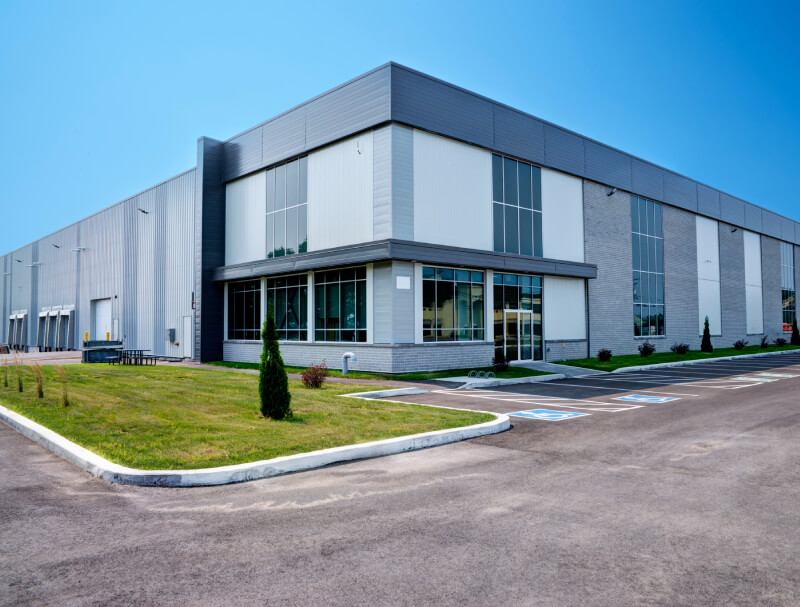
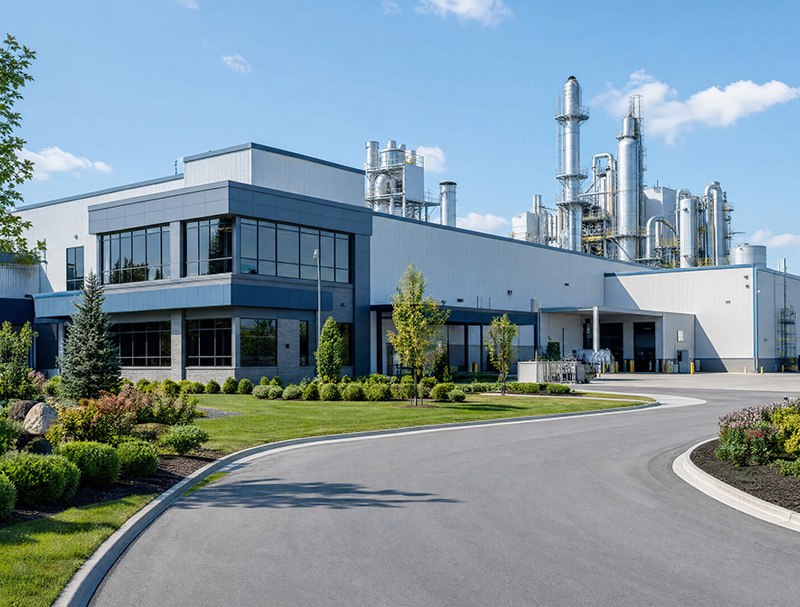
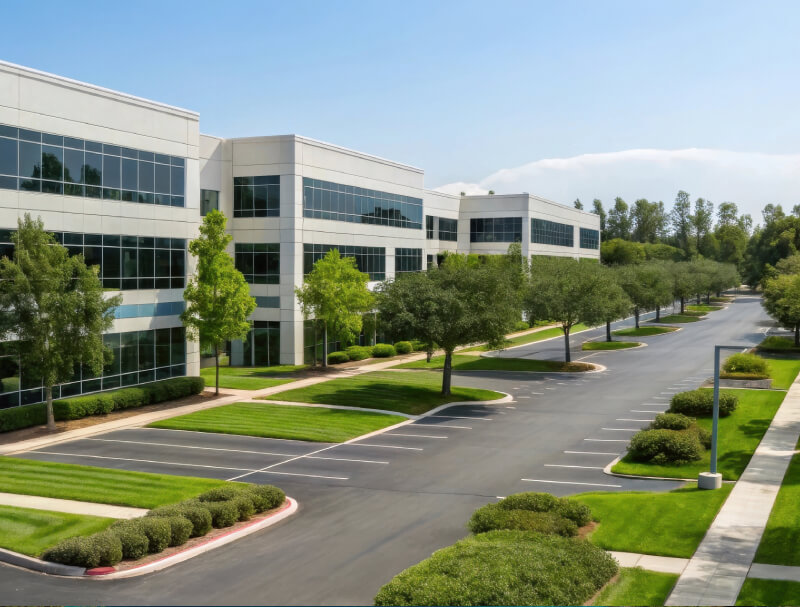
When people think about operational downtime, they often picture equipment failures, power outages, or technology issues. Those events certainly have the potential to disrupt business, but they are only part of the equation. In many industries, something as simple as an icy walkway, an inaccessible loading dock, or a poorly maintained entrance can slow operations, create safety risks, and impact the people who keep a zero-downtime facility running 24/7.
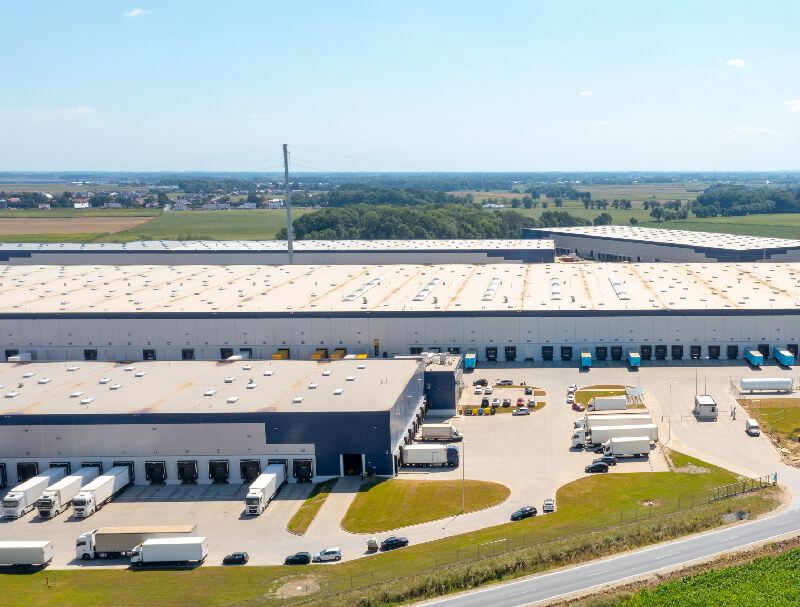
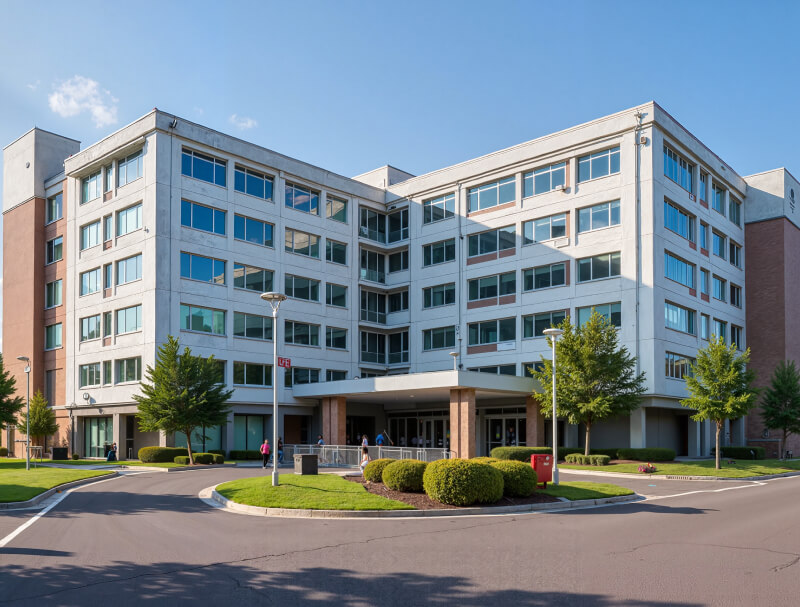
For organizations that operate around the clock, every part of the property contributes to business continuity. Distribution centers depend on trucks moving in and out without delay. Healthcare campuses need safe access for patients, visitors, and emergency vehicles at all hours. Manufacturers cannot afford interruptions that delay production schedules. Technology campuses require reliable access for employees and vendors supporting critical infrastructure.
While organizations invest heavily in technology, security, and operational systems to maximize uptime, the people responsible for maintaining the property itself often have just as much influence on keeping business moving.
Zero downtime is not simply the result of good equipment or efficient processes. It depends on having experienced people who understand what is at stake and know how to keep operations running when conditions become unpredictable.
Every Property Is an Extension of Business Operations
Grounds maintenance is sometimes viewed as a standalone service that focuses primarily on appearance. In reality, it directly supports how an organization functions every day.
A facility is only as accessible as its entrances, parking areas, sidewalks, roadways, and loading zones. When any of those areas become unsafe or unusable, the effects ripple throughout the organization.
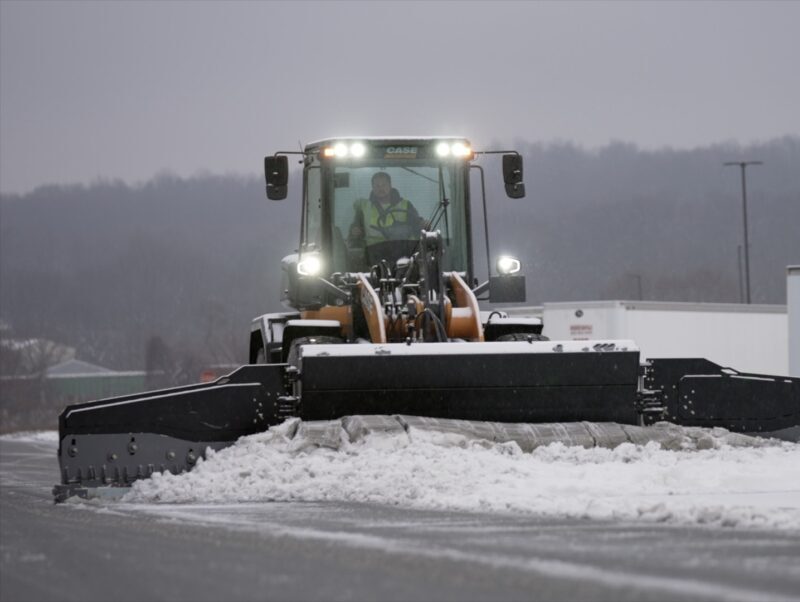
A blocked loading dock can delay shipments. Snow-covered walkways increase the risk of slips and falls. Poorly maintained landscapes can limit visibility for drivers or create hazards for pedestrians. Even small issues can quickly become operational problems when hundreds or thousands of employees, visitors, or deliveries move through a property every day.
The most effective service teams recognize that every facility operates differently. They take time to understand traffic patterns, identify mission-critical areas, and prioritize work based on how the property supports daily operations. Instead of simply maintaining landscapes or clearing snow, they help protect the flow of business.
RELATED: 4 Seasonal Landscaping Risks Facilities Teams Should Anticipate
Preparation Matters More Than Reaction
When severe weather arrives or unexpected issues develop, it is already too late to start planning. Organizations that consistently maintain uptime know the real work happens long before conditions change. The best service providers spend just as much time preparing as they do performing the work. That preparation includes:
- Monitoring changing conditions to anticipate weather events and shifting site needs
- Evaluating seasonal risks before they become operational challenges
- Inspecting properties regularly to identify potential hazards early
- Developing site-specific response plans so crews know exactly where to focus when conditions change
- Positioning people and equipment strategically to reduce response times and maintain critical access
This proactive approach removes uncertainty during high-pressure situations. Instead of scrambling to react, experienced teams can respond immediately with a clear plan that prioritizes safety and business continuity.
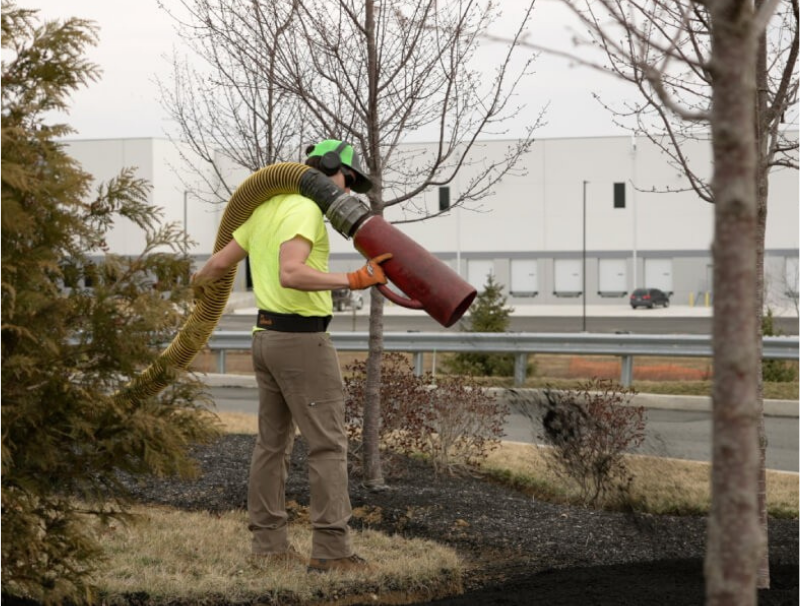
Preparation also extends far beyond winter. Routine inspections, preventative maintenance, and ongoing property assessments help prevent small issues from becoming costly disruptions throughout the year.
Experience Creates Better Decisions Under Pressure
No two storms unfold the same way. Weather changes quickly. Equipment issues occur unexpectedly. Priorities shift throughout the day as business needs evolve.
In those moments, experience becomes one of the most valuable assets a service team can bring.
Experienced professionals understand how to assess changing conditions, make informed decisions, and adjust plans without compromising safety or service quality. They recognize which areas demand immediate attention and which tasks can safely wait until conditions improve.
That level of judgment comes from years of working in complex environments where every decision has operational consequences.
Professional development also plays an important role. For example, industry certifications from organizations like the Snow and Ice Management Association demonstrate a commitment to higher standards of planning, operational management, and risk reduction. These certifications require extensive knowledge of snow and ice management practices, operational planning, safety, and leadership, helping ensure that service teams are prepared for even the most challenging conditions.
When organizations partner with experienced professionals who continuously invest in their expertise, they gain more than additional labor. They gain trusted advisors who understand how to protect operations when conditions are at their most demanding.
Communication Is Just as Important as Service
Facility managers and operations leaders need more than completed work. They need confidence that their properties are being maintained as expected and that they’ll be informed when priorities change. Strong communication provides visibility into:
- What work has been completed so teams know critical tasks have been addressed.
- Current property conditions that could affect employees, visitors, or operations.
- Response timelines for ongoing or changing site conditions.
- Potential issues before they become operational disruptions.
- A reliable point of contact when priorities shift or immediate support is needed.
For organizations managing multiple facilities, this level of transparency becomes even more important. Consistent communication makes it easier to verify service quality, coordinate internal teams, and make informed operational decisions across every location.
The best service providers recognize that communication is not an added benefit. It is an essential part of keeping businesses running smoothly. By sharing updates proactively, documenting completed work, and remaining responsive when needs change, they become a trusted extension of the customer’s team instead of just another vendor.
Consistency Protects Every Location
Many organizations operate more than one facility, often spread across multiple cities or even several states. Managing these properties introduces a new challenge. Service quality cannot vary from one location to another.
Employees should experience the same level of safety whether they report to headquarters or a satellite office. Delivery drivers should encounter the same level of accessibility regardless of which warehouse they visit. Patients should be able to safely enter every healthcare facility within a health system.
Consistency is achieved through:
- standardized processes,
- clearly defined service expectations,
- trained personnel,
- strong operational oversight, and
- a partner capable of scaling without sacrificing quality.
When every location receives the same level of attention and accountability, organizations reduce risk while creating a more predictable operating environment.
Conclusion
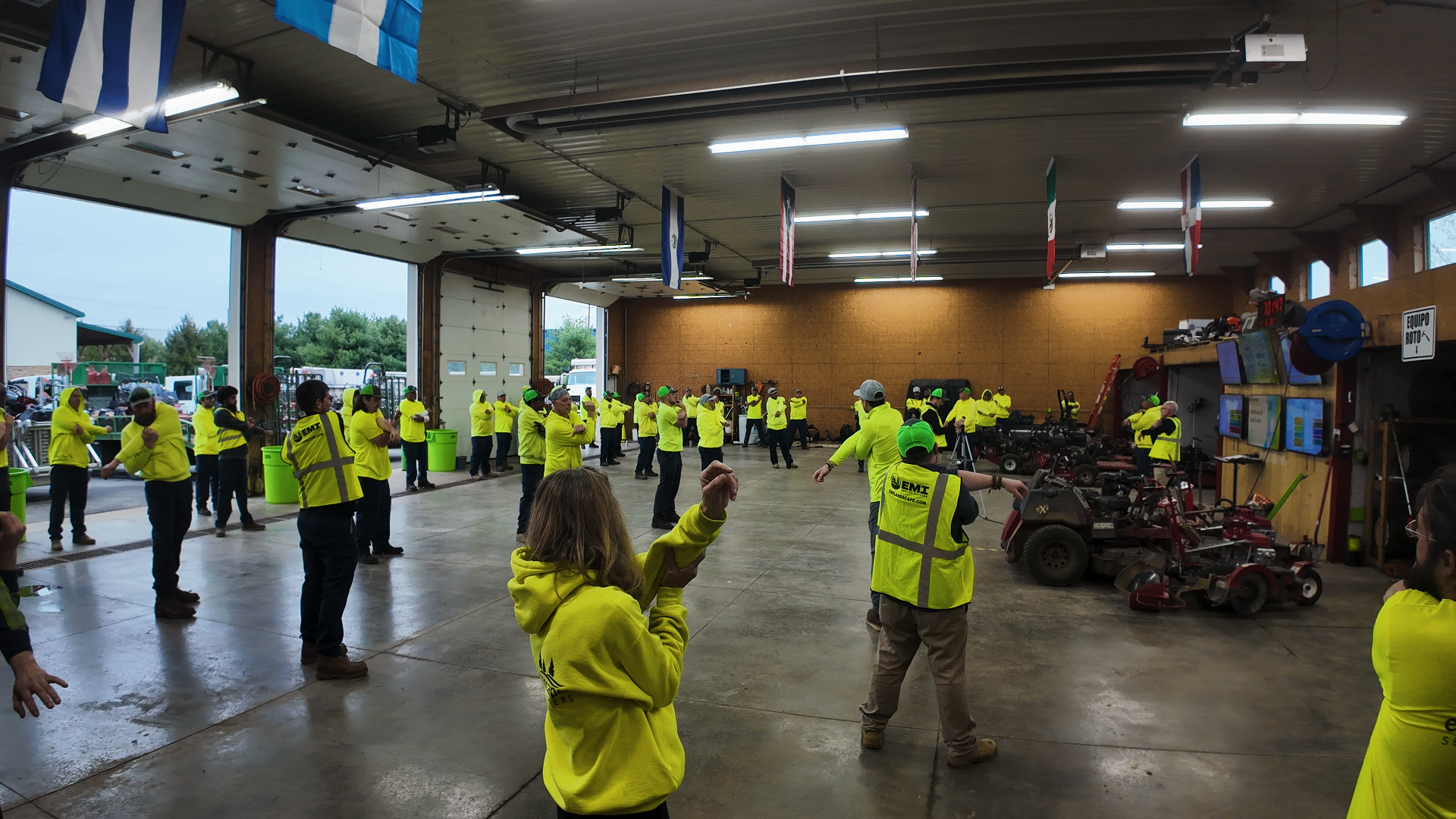
Preparation, communication, accountability, and expertise all depend on the individuals responsible for delivering the work. They are the ones monitoring changing conditions, solving problems in real time, and protecting the continuity of business when challenges arise.
Through proactive grounds management, responsive service, and a team committed to operational excellence, EMI helps mission-critical facilities stay safe, accessible, and running without interruption. Contact EMI today to learn how the right people can help make zero downtime part of your everyday operations.